
 Search

 Français
 Ajouter au panier
year: 2026
isbn: 9789042955608
pages: VIII-302 p.
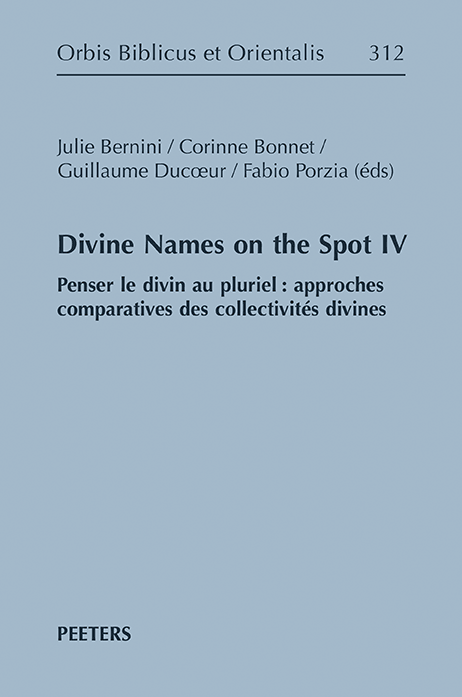
Divine Names on the Spot IV
Penser le divin au pluriel: approches comparatives des collectivités divines
editeurs:
Résumé:
Dans la continuité des précédents volumes de la série «Divine Names on the Spot» consacrée à l’étude des noms divins en contextes grecs et sémitiques, ce quatrième tome explore les configurations de divinités faisant intervenir des familles ou des collectivités, telles que les Muses, les Anunnaki ou les Valkyries. En partant des contextes et des intentions de celles et ceux qui les assemblent et y ont recours, on interroge, dans ce volume collectif, les manières de qualifier ces entités plurielles et de définir, à travers les pratiques onomastiques, mais aussi iconographiques, leurs champs et modalités d’action. Se pencher sur les familles et les collectivités divines, dans une perspective amplement comparatiste, dans le monde méditerranéen et au-delà, c’est aussi questionner l’articulation si complexe entre unité et pluralité au sein des systèmes religieux.
Following on from the previous volumes in the “Divine Names on the Spot” series, devoted to the study of divine names in Greek and Semitic contexts, this fourth volume explores configurations of divinities involving families or collectivities, such as the Muses, the Anunnaki or the Valkyries. Based on the contexts and intentions of those who assembled and used them, this collective volume examines ways of qualifying these plural entities and defining, through onomastic and iconographic practices, their fields and modalities of action. Looking at divine families and communities from a broadly comparative perspective, in the Mediterranean world and beyond, also means questioning the complex relationship between unity and plurality within religious systems.
This book is published open access. It can be downloaded here.
