 Search
 English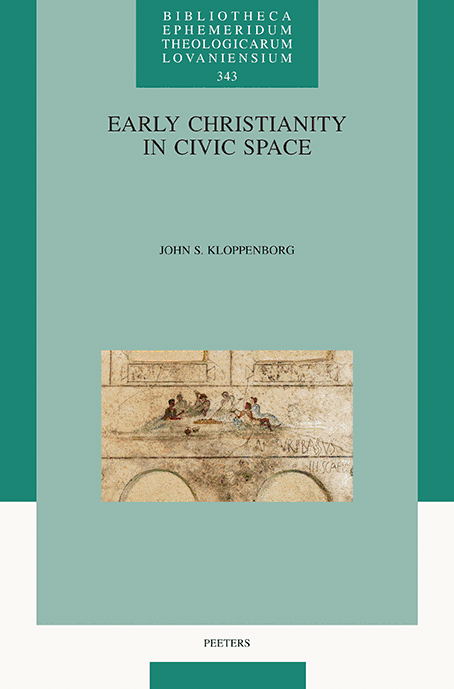
 add to cart
Most of the evidence for the Jesus movement in the first century comes from the cities, municipia, and coloniae of the Empire. Cities were much more than incidental locations of Christ groups: the organization of urban space, as well as the distinctive demographic, economic, and political profiles of cities, had a profound effect on the ways in which local Christ groups imagined and described themselves. Christians made ample use of family and household metaphors in their gatherings and writings, which cohered well with the Greek notion of the polis as the assemblage and telos of households. Early Christian discourse also appropriated the language of friendship, adoption, manumission, divinization, and citizenship, all of which had particular salience in the environment of the polis. The imperial road system, networks of cities, and, on a more local level, the arrangement of public spaces, workplaces, neighbourhoods, and domestic settings shaped and supported the ways and means by which the missionary efforts of the early Christ movement spread throughout the Empire. These are the major topics addressed in the more than thirty essays that make up this volume of the proceedings of the CBL 2023 conference.

books & series
e-books
journals
eCSCO
